How Specialized Lighting Calibration Techniques Influence Decision-Making Patterns at Baccarat Pits in Integrated Asian Resorts
Jakob Vogel · Nov 2, 2026
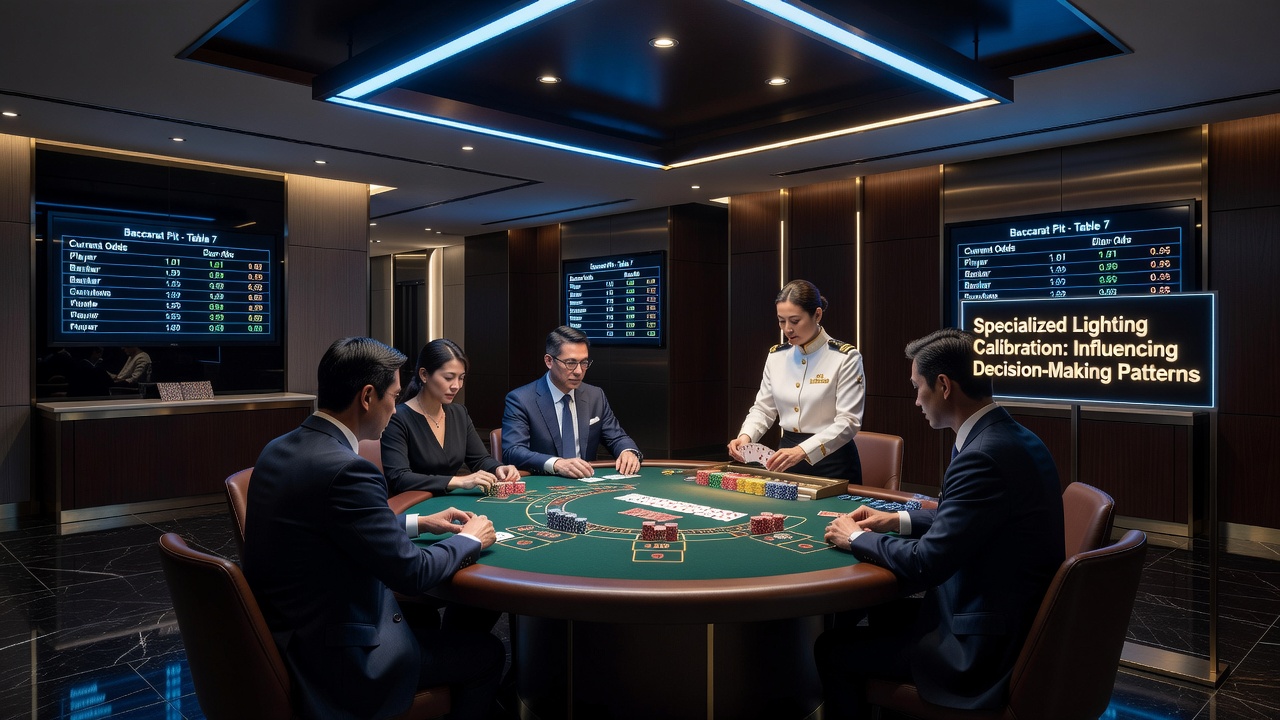
How Specialized Lighting Calibration Techniques Influence Decision-Making Patterns at Baccarat Pits in Integrated Asian Resorts
Integrated resorts across Macau, Singapore, and the Philippines have installed precision lighting systems in their baccarat areas since the early 2020s, and operators adjust color temperature, intensity levels, and spectral output through digital calibration protocols that respond to real-time occupancy data. These systems use tunable LED arrays mounted above each table, and facilities managers coordinate the settings with pit supervisors who monitor player behavior through overhead cameras and table sensors. Data from floor management software shows that operators in major properties began testing dynamic calibration schedules in 2024, and those schedules now incorporate seasonal adjustments that account for natural light variations entering through atrium designs.
Calibration Methods Deployed in Asian Baccarat Pits
Technicians calibrate lighting through software platforms that control individual fixtures in zones around each baccarat table, and they set parameters for correlated color temperature between 3000K and 5000K depending on the time of day and expected player demographics. Warm spectra dominate evening hours while cooler tones activate during peak afternoon periods, and the transitions occur gradually over fifteen-minute intervals to avoid abrupt shifts that might register with players. Properties in Singapore's Marina Bay and Macau's Cotai Strip both adopted these zoned approaches after pilot programs demonstrated measurable changes in average bet duration, and maintenance teams perform monthly recalibrations using handheld spectrometers to verify output consistency across all fixtures.
Integrated sensors feed occupancy counts and ambient light readings into central control units, and algorithms adjust illumination levels to maintain target lux values at table surfaces regardless of external conditions. Staff at these resorts receive training on interpreting calibration logs, and they coordinate with lighting engineers when table layouts change during renovations. November 2026 saw several Cotai properties complete upgrades that added infrared-assisted calibration modules, and those modules now allow finer adjustments without altering visible output for players.
Observed Effects on Player Decision Patterns
Studies conducted by research teams at the University of Macau tracked wager timing and bet size distributions under different lighting conditions, and the resulting datasets indicated that calibrated cool lighting correlated with faster decision cycles during the initial hours of play sessions. Observers noted that players extended their time at tables when warm spectra maintained steady intensity, and transaction records from property management systems confirmed longer average session lengths in zones using those settings. Researchers collected data across multiple shifts to isolate lighting variables from other environmental factors such as sound levels and dealer rotation schedules.
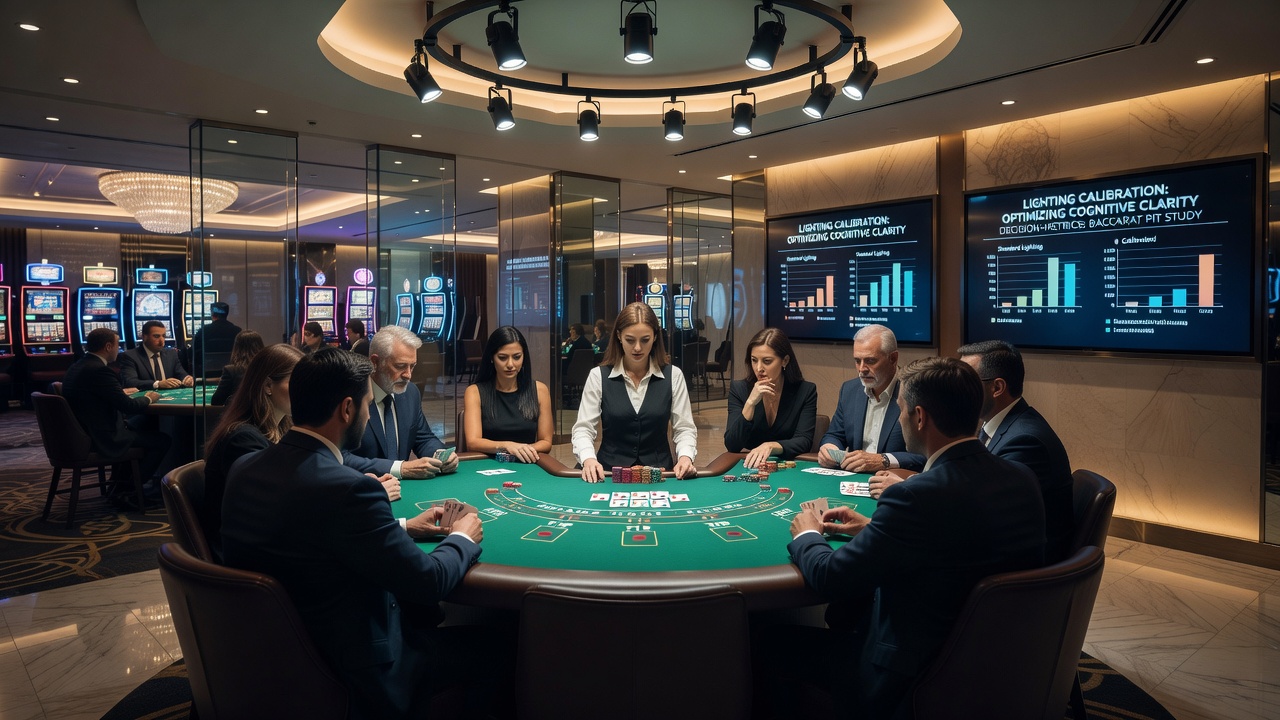
Additional findings from the Casino Regulatory Authority of Singapore reports showed that calibrated lighting influenced the frequency of side bet placements in baccarat, and properties that maintained consistent spectral output across adjacent tables recorded more uniform betting patterns among groups of players. Engineers adjusted fixture groupings to eliminate micro-variations that previously created uneven illumination zones, and follow-up measurements confirmed reduced variance in decision speed across those equalized areas. Data collection continued through 2025 and into 2026, with analysts comparing results against control tables that operated under static lighting.
Integration with Resort Operations and Compliance
Resort operators link lighting calibration systems to broader building management platforms that also control air quality and temperature, and this integration allows coordinated responses when occupancy spikes occur during major events. Compliance teams review calibration records during routine inspections to verify that settings align with approved operational parameters, and regulatory filings from Macau's gaming authorities document the technical specifications required for each installation. Properties maintain detailed logs of every adjustment, and those records become part of annual reporting submissions that cover equipment performance and energy consumption metrics.
Manufacturers of the LED systems provide ongoing firmware updates that refine the calibration algorithms, and resort technical staff apply these updates during scheduled maintenance windows to minimize disruption to table operations. Training programs for pit staff now include modules on recognizing when lighting anomalies appear, and supervisors document any observed deviations in daily shift reports that feed back into the central calibration database.
Conclusion
Lighting calibration techniques continue to evolve in Asian integrated resorts as operators incorporate additional sensor inputs and refine their control algorithms based on accumulated performance data. Properties track outcomes through standardized reporting frameworks that capture both technical metrics and operational indicators, and industry groups share aggregated findings during regional conferences held throughout the year. The documented connections between calibrated illumination and player decision timing provide operators with measurable parameters they can adjust within existing regulatory structures.