Tracing Cultural Motifs Through Reel Symbol Evolution in Global Slot Machine Manufacturing
Drew Butler · Oct 19, 2026
Tracing Cultural Motifs Through Reel Symbol Evolution in Global Slot Machine Manufacturing
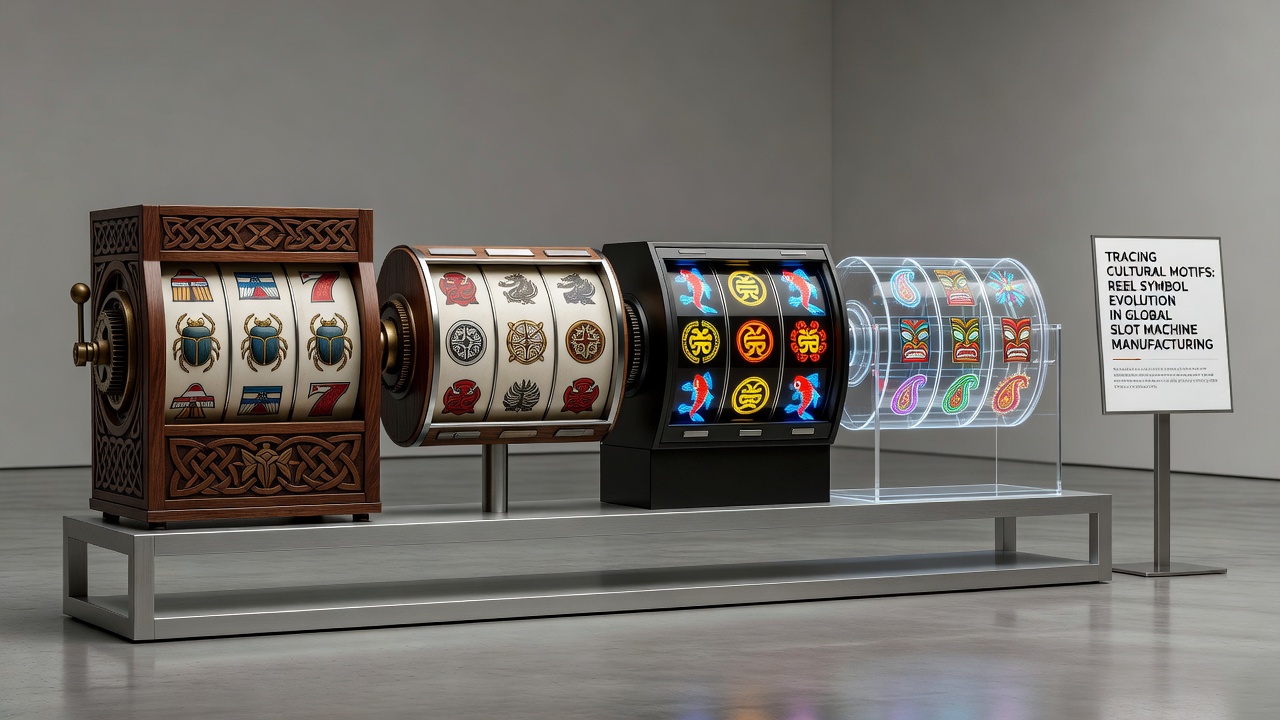
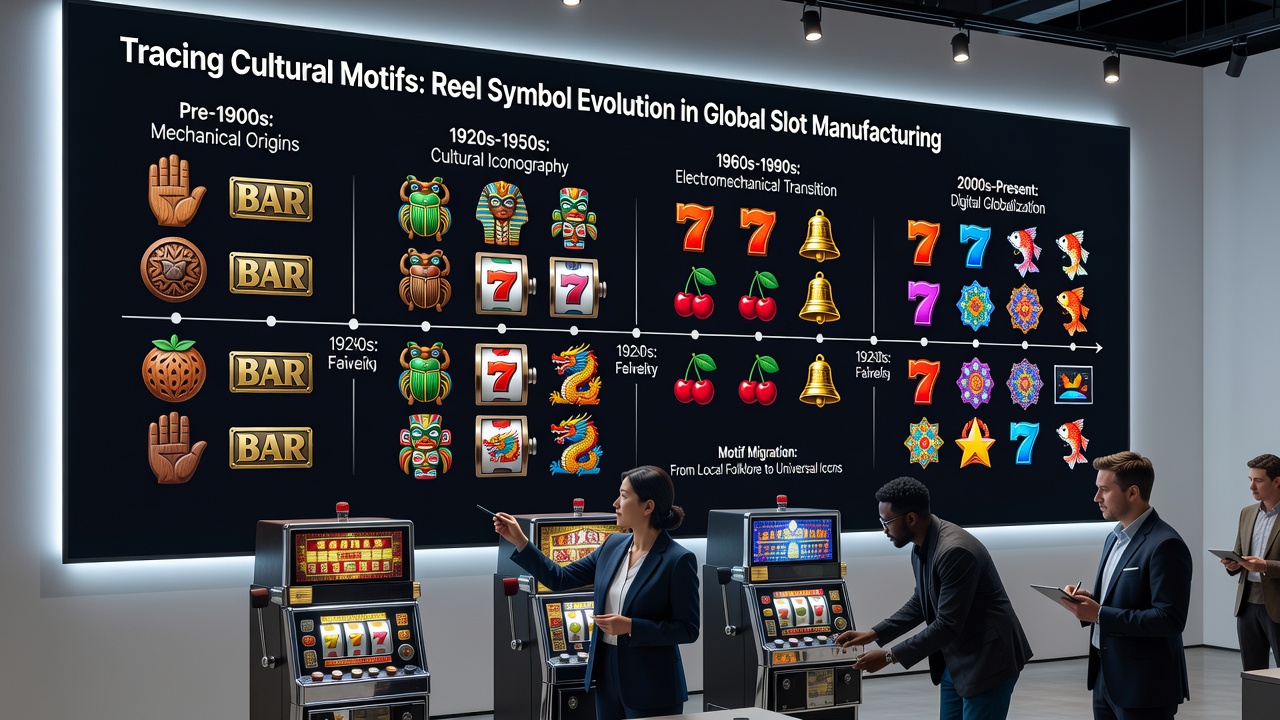
Manufacturers began embedding cultural motifs into slot machine reels during the mechanical era of the late 19th and early 20th centuries, when simple fruit icons and liberty bells gave way to localized imagery drawn from folklore, religious symbols, and national heritage. Companies producing machines for export markets quickly recognized that symbols reflecting player backgrounds increased engagement in specific regions, leading to deliberate design shifts that tracked broader patterns in global trade and migration. Observers note that this evolution accelerated after the introduction of electromechanical reels in the 1960s, when manufacturers gained greater flexibility to incorporate detailed graphics without mechanical constraints. Regional differences emerged clearly by the 1980s as Asian markets demanded motifs such as dragons, koi fish, and lanterns while European operators favored classical mythology and card suits tied to traditional gaming culture. Data from manufacturing records show that Japanese firms adapted pachinko-style imagery into video slots exported to Southeast Asia, whereas North American producers leaned on Western themes including cowboys, gold rushes, and indigenous patterns for domestic and Latin American audiences. Those who've studied production logs at major facilities report that symbol libraries expanded from fewer than 50 standard icons in the 1970s to several hundred variants by the mid-1990s, each calibrated to local regulatory and cultural requirements.Early Mechanical Foundations and Initial Cultural Borrowing
Early reel designs drew heavily from existing gambling paraphernalia, yet manufacturers soon layered in motifs that echoed the countries where machines would operate. Fruit symbols originated in American bar settings to circumvent gambling laws, but when exported to Australia and Canada, these same reels received subtle additions such as maple leaves or native flora to align with local identity. Researchers have documented how German and Austrian producers introduced alpine and folk-art elements into machines shipped across Eastern Europe during the same period, creating parallel yet distinct visual languages that persisted into later digital formats.
Digital Transition and Expanded Motif Libraries
The shift to video slots in the 1990s allowed manufacturers to render complex cultural narratives across multiple reels, incorporating animation and layered symbolism that mechanical systems could not support. Companies began commissioning anthropologists and local artists to develop region-specific sets, resulting in Egyptian, Chinese zodiac, and Mesoamerican iconography appearing on machines distributed worldwide. Figures from industry production reports indicate that by 2005 more than 60 percent of new titles featured at least one culturally derived symbol set, a proportion that continued rising as touchscreen technology permitted finer detail and interactive elements.
Manufacturing Processes and Symbol Standardization
Production workflows now integrate cultural research at the concept stage, where design teams consult regulatory guidelines from bodies such as the Pennsylvania Gaming Control Board alongside market data from multiple continents. Engineers convert approved motifs into scalable vector assets that maintain legibility across reel sizes and lighting conditions, while quality-control teams verify that no symbol violates cultural sensitivities or religious restrictions in target jurisdictions. This approach has produced standardized libraries that can be localized quickly through modular asset swaps rather than complete redesigns, shortening development cycles for new markets.
Current Trends Observed in October 2026
Recent manufacturing cycles reveal increased use of hybrid motifs that blend multiple cultural elements within single games, driven by global player bases accessing the same titles through online platforms. Data compiled through mid-2026 shows growing incorporation of African and South Asian iconography alongside established Asian and European themes, reflecting expanded distribution networks in emerging markets. Regulatory updates implemented in several jurisdictions during October 2026 have further required explicit documentation of cultural consultation processes during symbol approval, prompting manufacturers to formalize partnerships with academic institutions and heritage organizations.
Conclusion
Reel symbol evolution continues to mirror shifts in global manufacturing and cultural exchange, with companies maintaining detailed archives that trace each motif from initial research through final deployment. Production data and regulatory filings confirm that these adaptations remain central to market differentiation while meeting increasingly specific oversight standards across regions. The pattern established over more than a century shows no sign of slowing as new technologies and distribution channels introduce additional layers of cultural representation into the reel-based format.